
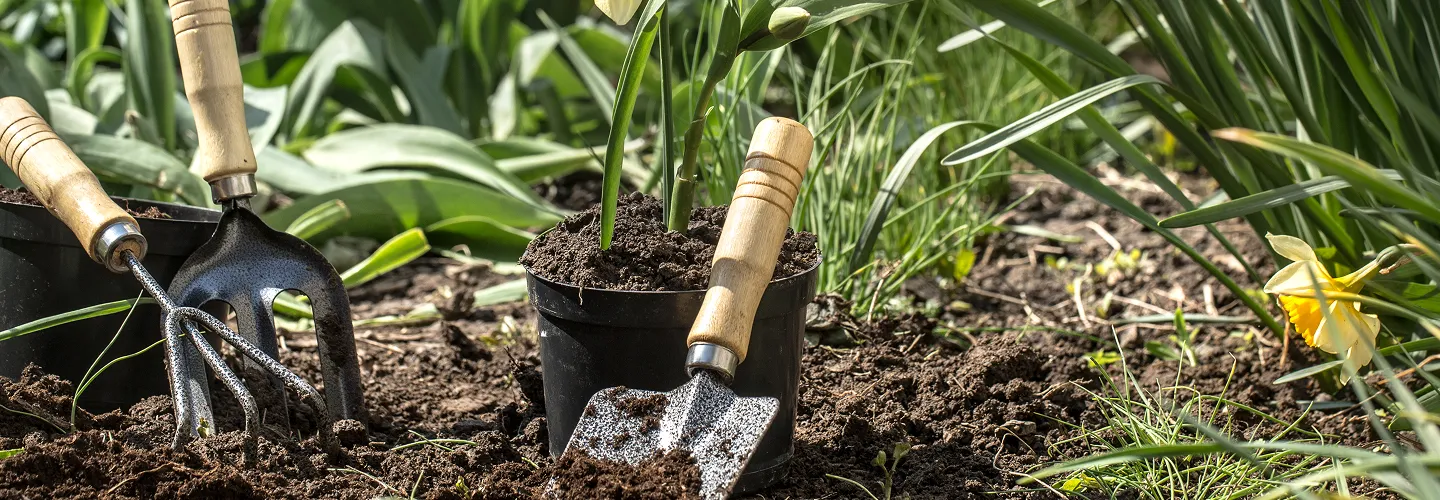
Riverview Flower Planting Services
Choose our flower planting services for vibrant, expertly arranged blooms that enhance your curb appeal and thrive in Riverview’s unique climate—bringing lasting beauty to your home or business.
Get a Free QuoteOur Riverview Landscaping & Yard Care Services
When to Schedule Flower Planting in Riverview, Florida – Seasonal Guide
Flower planting in Riverview, Florida, is best scheduled with careful attention to our region’s unique subtropical climate and local landscape features. The optimal planting windows are typically late winter through early spring (February to April) and again in early fall (September to October), when temperatures are moderate and rainfall is more predictable. These periods allow new plantings to establish strong root systems before the intense summer heat or occasional winter chills.
Riverview’s neighborhoods, from the tree-lined streets of Boyette Springs to the open spaces near Alafia River State Park, each present their own microclimates. Factors such as proximity to the river, shade from mature oaks, and soil drainage can all impact planting success. It’s important to consider local frost dates—usually rare but possible in January—and the risk of summer droughts, which can stress young flowers. For more information on local environmental guidelines, visit the Sudbury town resources.
Local Factors to Consider for Flower Planting in Riverview
- Tree density and shade coverage, especially in areas like Panther Trace
- Soil type and drainage, which can vary between subdivisions
- Seasonal precipitation patterns and drought risk
- Proximity to water features or flood-prone zones
- Municipal restrictions or HOA guidelines on landscaping
- Terrain slope and sun exposure throughout the day
Benefits of Flower Planting in Riverview
Expert Local Knowledge
Customized Landscape Designs
Seasonal Plant Selection
Enhanced Curb Appeal
Eco-Friendly Practices
Reliable Maintenance Services
Riverview Flower Planting Types

Annual Flower Beds
Seasonal color displays using vibrant annuals for maximum impact.
-
Perennial Gardens
Long-lasting blooms that return year after year for low-maintenance beauty.
-
Native Plant Installations
Eco-friendly landscapes featuring flowers adapted to the local climate.
-
Pollinator Gardens
Flower beds designed to attract bees, butterflies, and other pollinators.
-
Shade Garden Plantings
Flower selections ideal for low-light or shaded areas of your landscape.
-
Container Flower Arrangements
Versatile and movable flower displays for patios, decks, and entryways.
-
Cut Flower Gardens
Specially curated beds for growing flowers perfect for indoor arrangements.
Our Flower Planting Process
Site Evaluation
Soil Preparation
Plant Selection
Careful Planting
Watering and Mulching
Why Choose Riverview Landscape Services
-
Riverview Homeowners Trust Us
-
Expert Lawn Maintenance
-
Reliable Scheduling
-
Competitive Pricing
-
Professional Team
-
Satisfaction Guarantee
-
Personalized Service
Coordinating Flower Planting with Riverview’s Parks and Public Spaces Management
Flower planting in Riverview, FL often intersects with municipal oversight, especially when projects are adjacent to public parks, medians, or right-of-way areas. Coordination with the Hillsborough County Parks and Recreation Department is essential for any planting that may impact public greenspaces or shared-use corridors. Residents and property managers should be aware that public-facing beds may require review to ensure plant selection, irrigation, and maintenance align with county standards for visibility, safety, and environmental protection. For projects near public infrastructure, it is advisable to verify if a review or notification is needed before installation. The department also provides guidance on plant species suitable for high-traffic or drought-prone areas, supporting both aesthetic and functional goals.
- Public-facing flower beds may require review for safety and visibility
- Planting near parks or trails should use approved species lists
- Irrigation in public areas must comply with county conservation standards
Hillsborough County Parks and Recreation Department
601 E. Kennedy Blvd., Tampa, FL 33602
Official Website: Hillsborough County Parks and Recreation Department
How Riverview’s Central Florida Climate and Soils Shape Flower Planting Success
Riverview is situated in the Central Florida / Inland Peninsula region, which presents unique challenges and opportunities for flower planting. The area experiences high summer heat and humidity, with a pronounced wet season typically from June through September. Soils are predominantly sandy or fill-based, leading to rapid drainage but also increased nutrient leaching, which can affect plant establishment and ongoing health. The USDA Plant Hardiness Zone for Riverview is 9b, supporting a wide range of subtropical and warm-season annuals and perennials. However, the high water table in some neighborhoods and the risk of heavy rainfall runoff into swales, ponds, and storm drains require careful site preparation and plant selection.
Key local conditions include:
- Sandy, fast-draining soils that may require organic amendment
- Intense summer rainfall and humidity, increasing fungal pressure
- Irrigation dependence during dry winter months
- Proximity to stormwater features, necessitating runoff-conscious planting
For more on local soils, consult the USDA Web Soil Survey, and for plant hardiness, see the USDA Plant Hardiness Zone Map.
Regulatory Considerations and Environmental Compliance for Flower Planting in Riverview
Flower planting in Riverview must comply with both county and state-level environmental and land use regulations. Projects that alter drainage patterns, disturb large areas, or are adjacent to protected wetlands may require review by Hillsborough County Development Services. Additionally, the Environmental Protection Commission of Hillsborough County oversees water quality and pollution prevention, which is particularly relevant when planting near stormwater basins, canals, or retention ponds. The use of fertilizers and pesticides in flower beds is subject to Florida’s Model Ordinance for Florida-Friendly Fertilizer Use, which aims to reduce nutrient runoff into local waterways. For irrigation, local restrictions may apply and should be confirmed with the county water resources department.
- Permit requirements may apply for large-scale or public-facing plantings
- Fertilizer use must follow Florida-Friendly guidelines to protect water quality
- Irrigation schedules may be subject to county or water management district rules
Hillsborough County Development Services
601 E. Kennedy Blvd., Tampa, FL 33602
Official Website: Hillsborough County Development Services
Environmental Protection Commission of Hillsborough County
3629 Queen Palm Dr., Tampa, FL 33619
Official Website: Environmental Protection Commission of Hillsborough County
Professional Flower Planting Methods and Seasonal Timing in Riverview’s Environment
Effective flower planting in Riverview requires attention to both timing and technique, given the region’s climate and soil conditions. The optimal planting windows for most annuals and perennials are late winter through early spring and again in early fall, avoiding the peak of summer heat and heavy rainfall. Soil preparation should focus on improving organic content and drainage, especially in fill-based or compacted urban soils. Mulching is recommended to moderate soil temperature, retain moisture, and suppress weeds, but mulch should be kept clear of storm drains and swales to prevent runoff issues. Irrigation systems should be checked for coverage and efficiency, with drip or micro-irrigation preferred to minimize water waste and fungal disease. For guidance on water-efficient landscaping, refer to EPA WaterSense Outdoors.
- Plant during cooler, drier months for best establishment
- Amend sandy soils with compost to improve water and nutrient retention
- Use mulch to protect roots and reduce evaporation
- Avoid planting directly adjacent to stormwater inlets or canals
What Neighborhoods Do We Serve Throughout Riverview, FL?
- Boyette: Features a mix of mature landscaping and newer subdivisions, with many lots adjacent to ponds and swales requiring careful drainage planning.
- South Fork: Known for its HOA-managed common areas and irrigation-intensive landscapes, making flower bed placement and maintenance highly visible.
- Riverglen: Contains larger lots with established shade trees, influencing flower selection for sun and shade tolerance.
- Lake St. Charles: Includes extensive waterfront and retention pond edges, where runoff-sensitive planting is especially important.
- Panther Trace: Characterized by newer fill-based soils and compacted lots, requiring soil amendment for successful planting.
- Bloomingdale Ridge: Offers a blend of older and newer homes, with varying irrigation systems and exposure to reflected heat from pavement.
- Summerview Oaks: Features wooded areas and natural preserves, where native and pollinator-friendly plantings are often prioritized.