

Riverview Junk Removal Services
Choose us for your junk removal needs and experience prompt service, transparent pricing, and a commitment to eco-friendly disposal—making your cleanout stress-free from start to finish.
Get a Free QuoteOur Riverview Landscaping & Yard Care Services
When to Schedule Junk Removal in Riverview, Florida – Seasonal Guide
In Riverview, Florida, the best times for junk removal are closely tied to our unique subtropical climate and the rhythms of local neighborhoods like Boyette Springs and Panther Trace. Spring and early fall are optimal, as humidity levels are moderate and the risk of heavy summer storms or winter frost is low. Scheduling during these windows helps avoid the challenges posed by saturated soils after summer rains or the rare but impactful cold snaps that can affect outdoor accessibility.
Local environmental factors such as Riverview’s sandy soils, dense shade from mature oaks in areas like Alafia Preserve, and the occasional drought risk all play a role in determining the right time for service. Municipal guidelines, including those outlined by local authorities, may also influence when and how junk can be removed, especially in flood-prone zones near the Alafia River. By considering these elements, homeowners can ensure efficient, hassle-free junk removal tailored to Riverview’s landscape.
Benefits of Junk Removal in Riverview

Fast and Reliable Service
Eco-Friendly Disposal
Experienced Landscaping Team
Affordable Pricing Options
Comprehensive Clean-Up
Flexible Scheduling
Riverview Junk Removal Types

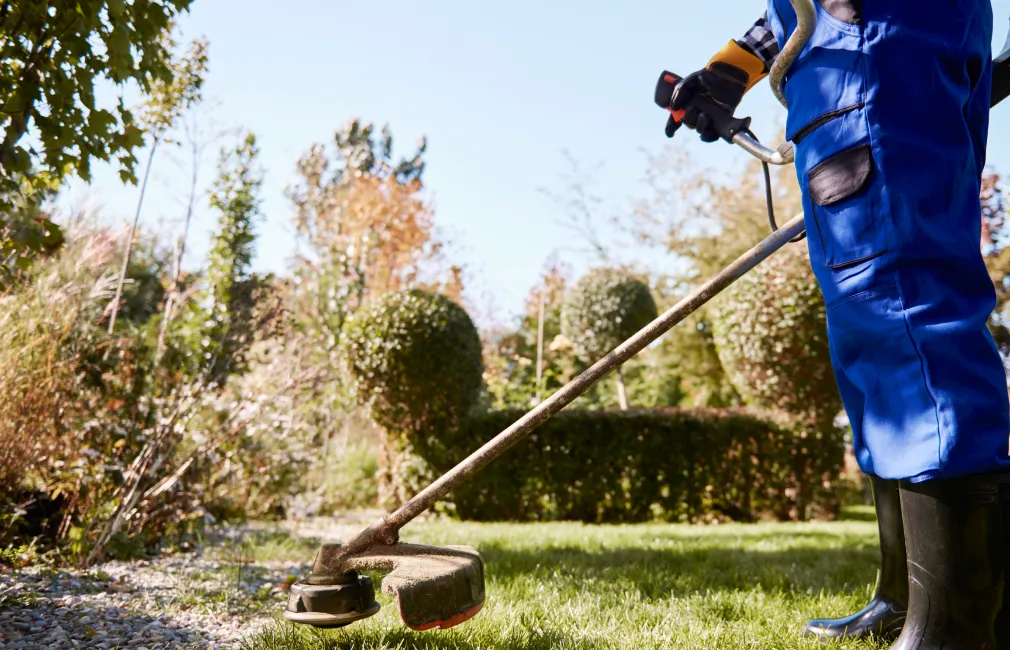
Yard Waste Removal
-
Tree Branch Disposal
-
Sod and Soil Hauling
-
Landscape Debris Cleanup
-
Shrub and Bush Removal
-
Mulch and Rock Removal
-
Garden Structure Disposal
Our Junk Removal Process
Site Evaluation
Customized Plan
Efficient Removal
Responsible Disposal
Final Inspection
Why Choose Riverview Landscape Services
-
Riverview Homeowners Trust Us
-
Expert Lawn Maintenance
-
Reliable Scheduling
-
Competitive Pricing
-
Professional Team
-
Satisfaction Guarantee
-
Personalized Service
Coordinating Bulk Junk Removal with Riverview’s Public Works and Neighborhood Access
Bulk junk removal in Riverview, FL requires coordination with Hillsborough County Public Works to ensure compliance with local collection schedules and to prevent illegal dumping. Residents and property managers must place large items at the curb only during designated collection windows, and items should not obstruct storm drains, sidewalks, or rights-of-way. For multi-family properties or neighborhoods with limited curb access, it is essential to verify collection logistics in advance to avoid service disruptions. The county may require advance notice for oversized loads or non-standard materials. Residents should avoid placing junk near swales or drainage inlets to protect water quality and prevent blockages during heavy rainfall events.
- Place bulk items at the curb only during approved collection periods
- Avoid blocking storm drains, sidewalks, or swales
- Confirm collection logistics for multi-family or access-limited properties
Hillsborough County Public Works Department
601 E. Kennedy Blvd., Tampa, FL 33602
Official Website: Hillsborough County Public Works Department
How Riverview’s Gulf Coast Climate and Soils Affect Junk Removal Logistics
Riverview is situated in the Gulf Coast Florida region, characterized by a humid subtropical climate, high summer rainfall, and predominantly sandy or fill-based soils. These conditions influence junk removal in several ways:
- Heavy summer rains can quickly move debris into swales, canals, and storm drains, increasing the risk of localized flooding and waterway pollution
- Sandy soils and high water tables mean that improperly placed junk can leach contaminants or block drainage, especially in newer subdivisions built on fill
- The wet season, typically from June through September, requires heightened attention to timing and placement of bulk items to avoid storm-related movement or runoff
Residents should be aware that Riverview’s proximity to canals, ponds, and retention basins makes it especially important to keep all junk and debris away from water-adjacent areas. The USDA Web Soil Survey provides detailed information on local soil profiles, which can help property managers understand drainage risks when planning removal activities.
Regulatory Requirements and Environmental Compliance for Junk Removal in Riverview
Junk removal in Riverview is governed by a combination of county ordinances and state environmental regulations. Bulk disposal must comply with Hillsborough County’s solid waste and stormwater management rules, which prohibit illegal dumping and require proper separation of hazardous materials. The Environmental Protection Commission of Hillsborough County oversees water quality and pollution prevention, making it critical to prevent debris from entering stormwater systems. Additionally, the Florida DEP NPDES Stormwater Program sets standards for municipal stormwater discharges, and the Clean Water Act provides federal authority for waterway protection.
- Do not dispose of electronics, chemicals, or hazardous waste with regular junk
- Keep all debris at least several feet from storm drains, canals, and retention ponds
- Verify any special disposal requirements for construction or demolition debris with county authorities
Environmental Protection Commission of Hillsborough County
3629 Queen Palm Dr., Tampa, FL 33619
Official Website: Environmental Protection Commission of Hillsborough County
Professional Standards and Timing for Junk Removal in Riverview’s Wet and Dry Seasons
Professional junk removal in Riverview must account for the region’s pronounced wet and dry seasons, as well as neighborhood access and environmental sensitivity. During the wet season, it is advisable to schedule removals early in the week and avoid placing items out before forecasted storms. Infill neighborhoods with narrow streets or limited curb space may require coordinated pickup to prevent traffic or drainage issues. Professional standards include:
- Sorting materials to separate recyclables, electronics, and hazardous items from general junk
- Using tarps or containment for loose debris to prevent wind or rain dispersal
- Avoiding placement of items on grassy swales, canal banks, or near retention basins
- Confirming with the National Weather Service for severe weather alerts before scheduling large removals
These standards help maintain neighborhood appearance, protect local waterways, and ensure compliance with both county and state environmental requirements.
What Neighborhoods Do We Serve Throughout Riverview, FL?
- Boyette This area features a mix of older lots and newer subdivisions, with many properties adjacent to canals and retention ponds, requiring careful debris placement to protect drainage.
- South Pointe Known for its HOA-managed landscapes and moderate lot sizes, South Pointe often requires coordination for bulk pickups and adherence to neighborhood appearance standards.
- Rivercrest With extensive greenways and community ponds, Rivercrest properties must keep junk away from water features and common areas to prevent runoff and maintain aesthetics.
- Lake St. Charles This neighborhood’s mature landscaping and proximity to lakes and wetlands make it essential to avoid placing debris near sensitive drainage zones.
- Summerfield Summerfield’s large planned development includes both single-family and multi-family units, with access constraints in some sections and a focus on stormwater management.
- Panther Trace Featuring newer fill-based lots and active HOA oversight, Panther Trace residents should verify bulk disposal timing and avoid blocking swales or sidewalks.
- Bloomingdale Ridge Located near major roadways and drainage corridors, this area requires attention to curbside placement and coordination with public works for efficient removal.