
Riverview Weeding Services
Choose Riverview Weeding Services for reliable, thorough, and eco-friendly weed removal that keeps your landscape healthy and looking its best all season long.
Get a Free QuoteOur Riverview Landscaping & Yard Care Services
When to Schedule Weeding in Riverview, Florida – Seasonal Guide
In Riverview, Florida, the best times to schedule weeding are closely tied to our region’s subtropical climate and unique landscape features. With mild winters and hot, humid summers, weed growth can be persistent throughout much of the year. However, the most effective weeding is typically done in early spring and late fall, when soil moisture is optimal and before weeds have a chance to seed. Neighborhoods near Alafia River and Boyette Springs often experience rapid weed growth after heavy rains, while areas with dense oak canopies, like those around Riverview High School, may see slower weed emergence due to increased shade.
Local environmental factors such as the last frost date (usually late January), periods of drought risk in midsummer, and the sandy, well-draining soils common in subdivisions like Panther Trace all play a role in determining the best weeding schedule. Homeowners should also be aware of municipal guidelines and seasonal restrictions, which can be found on the official town website, to ensure compliance with local landscaping ordinances.
Local Factors to Consider for Weeding in Riverview
- Tree density and shade coverage (affects weed growth rates)
- Soil type (sandy vs. clay in different neighborhoods)
- Seasonal precipitation and humidity
- Proximity to water bodies like the Alafia River
- Municipal restrictions or HOA guidelines
- Terrain and slope, especially in newer developments
- Timing of last frost and risk of drought
Benefits of Weeding in Riverview
Enhanced Curb Appeal
Healthier Plant Growth
Reduced Pest Infestation
Improved Soil Quality
Professional and Reliable Service
Time and Effort Savings
Riverview Weeding Types

Hand Weeding
-
Mechanical Weeding
-
Mulching for Weed Control
-
Herbicide Application
-
Flame Weeding
-
Soil Solarization
-
Cover Cropping
Our Weeding Process
Site Evaluation
Weed Identification
Targeted Removal
Soil Treatment
Final Inspection
Why Choose Riverview Landscape Services
-
Riverview Homeowners Trust Us
-
Expert Lawn Maintenance
-
Reliable Scheduling
-
Competitive Pricing
-
Professional Team
-
Satisfaction Guarantee
-
Personalized Service
Coordinating Weeding Activities with Riverview’s Public Works and Stormwater Programs
Effective weeding in Riverview, FL requires coordination with municipal operations to protect drainage infrastructure and comply with local yard waste handling procedures. Residents and property managers must ensure that all vegetative debris, including weeds removed from beds and turf, is properly contained and not left in swales, curb inlets, or near storm drains. This prevents blockages and reduces nutrient runoff into local waterways. The Hillsborough County Public Works Department oversees maintenance of drainage systems and provides guidance on yard waste collection schedules and placement. For large-scale weeding or when disposing of significant green waste, verify current collection procedures and avoid placing debris where it could enter stormwater systems. When in doubt, consult the department for operational updates or to report drainage concerns.
Hillsborough County Public Works Department
601 E. Kennedy Blvd., Tampa, FL 33602
Official Website: Hillsborough County Public Works Department
How Riverview’s Climate and Soils Shape Weeding Needs and Timing
Riverview is situated in the Central Florida / Inland Peninsula region, characterized by a humid subtropical climate, pronounced wet and dry seasons, and predominantly sandy or fill-based urban soils. These conditions directly influence weed pressure and management strategies:
- High summer temperatures and humidity accelerate weed growth, especially following heavy rainfall events typical of the wet season (June–September).
- Sandy soils, common in Riverview subdivisions, drain quickly but are prone to nutrient leaching, which can favor opportunistic weed species in both lawns and beds.
- Many neighborhoods border swales, ponds, or retention basins, making runoff control critical to prevent weed seeds and herbicides from entering water bodies.
Understanding these local factors helps determine the most effective timing and methods for weeding, as well as the need for ongoing monitoring after rain events. For more on local soil profiles, consult the USDA Web Soil Survey.
Regulatory Considerations for Weeding: Compliance, Licensing, and Environmental Protection
Weeding activities in Riverview must comply with both municipal and state-level regulations, particularly regarding chemical weed control and environmental protection. The use of herbicides is regulated under Florida Statutes Chapter 487, which requires applicators to hold appropriate licenses for commercial or large-scale applications. Additionally, the Environmental Protection Commission of Hillsborough County monitors water quality and enforces pollution prevention measures, including restrictions on discharging yard waste or chemicals into stormwater systems. Residents should:
- Confirm if a licensed applicator is required for herbicide use on their property.
- Avoid applying chemicals before forecasted rain to reduce runoff risk.
- Keep all weeding debris out of swales, storm drains, and canal edges.
For further guidance on environmental compliance, refer to the Florida DEP NPDES Stormwater Program and local permitting offices.
Environmental Protection Commission of Hillsborough County
3629 Queen Palm Dr., Tampa, FL 33619
Official Website: Environmental Protection Commission of Hillsborough County
Professional Weeding Methods and Seasonal Timing in Riverview’s Environment
Professional weeding in Riverview emphasizes both manual and chemical methods, with timing and technique adapted to local climate and site conditions. Key standards include:
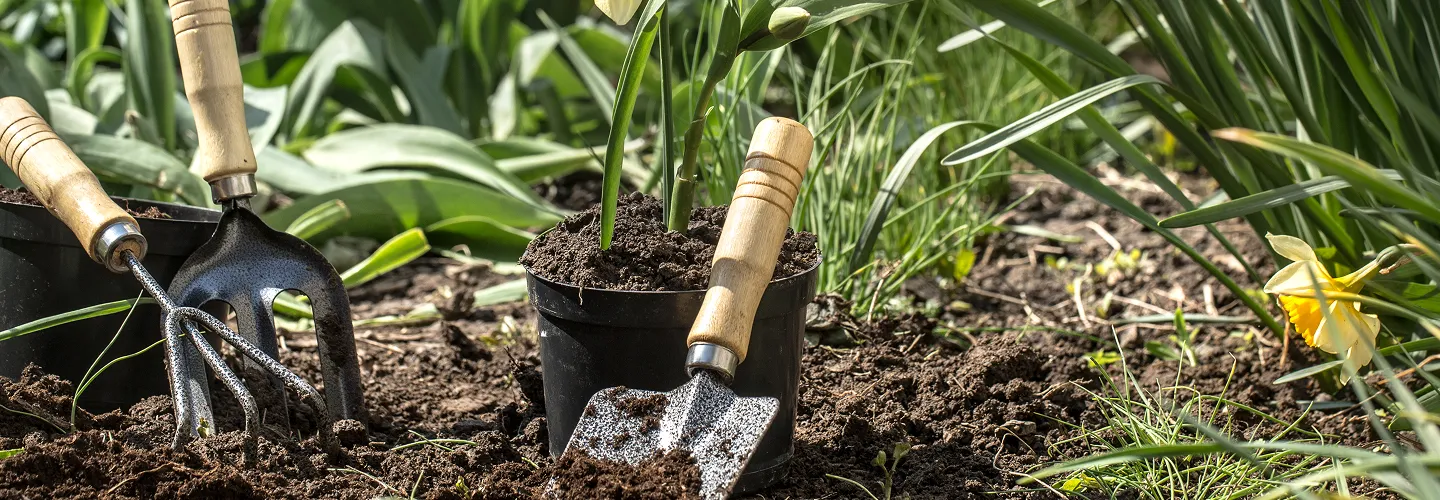
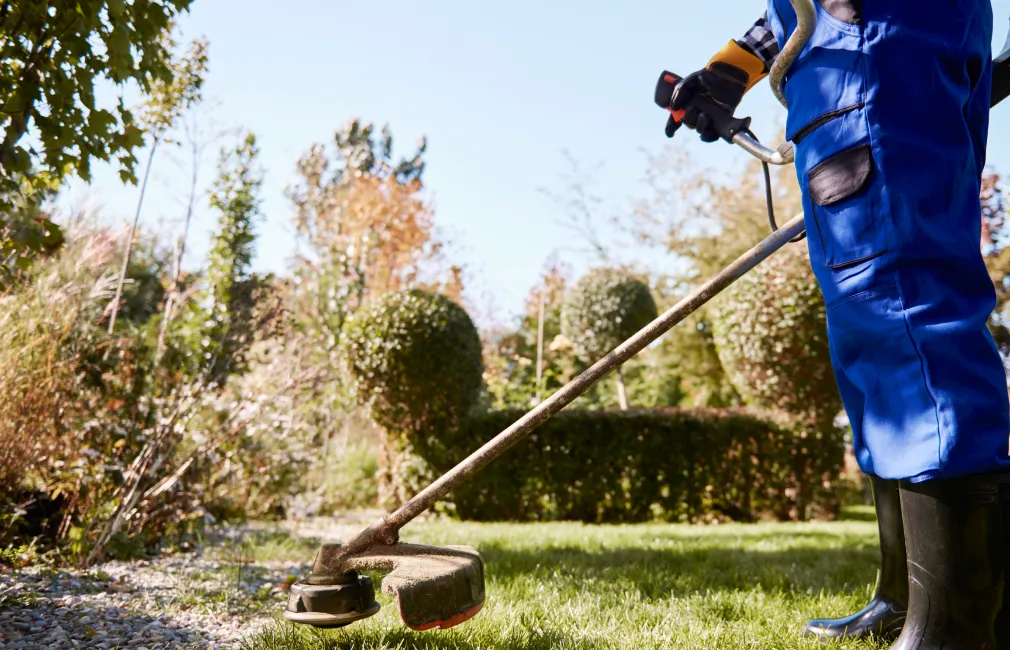
- Hand-pulling or mechanical removal is preferred in beds and near water features to minimize chemical use and runoff.
- Pre-emergent herbicides are most effective when applied in late winter or early spring, before the main weed flush, while post-emergent treatments target visible weeds during active growth.
- Weeding should be scheduled before seed set, especially after wet-season rains, to prevent further spread.
- Mulch application (2–3 inches) helps suppress weed emergence and conserves soil moisture, but should be kept clear of plant stems and tree trunks.
For additional technical guidance, see UF/IFAS Gardening Solutions - Lawns and EPA WaterSense Outdoors.
Hillsborough County Parks and Recreation Department
15501 Morris Bridge Rd., Thonotosassa, FL 33592
Official Website: Hillsborough County Parks and Recreation Department
What Neighborhoods Do We Serve Throughout Riverview, FL?
- Boyette Springs This area features mature landscaping and larger lots, often with established beds and significant shade, requiring careful hand weeding and mulch management.
- Riverglen Many homes back up to ponds or retention basins, making runoff-safe weeding and debris containment especially important.
- South Pointe Newer subdivision fill soils and compacted lots increase weed pressure and require regular monitoring after rain events.
- Lake St. Charles Proximity to lakes and greenways means extra attention to chemical use and debris placement to protect water quality.
- Bloomingdale Ridge Mixed sun and shade exposure, along with HOA landscaping standards, influence both timing and method of weeding.
- Summerfield Dense development and smaller lots create access constraints, so efficient debris handling and curbside compliance are priorities.
- Panther Trace Extensive common areas and irrigation systems require coordination with HOA guidelines and careful scheduling to avoid interfering with watering cycles.